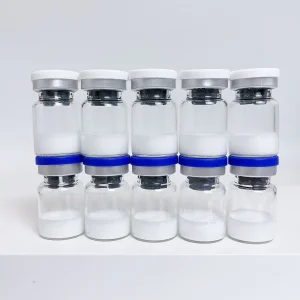
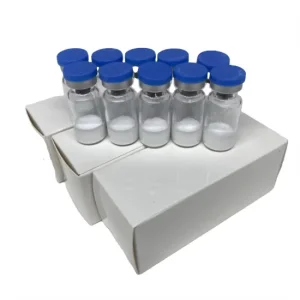
Fully compliant batch documentation, HPLC certified, and rigorously monitored through orthogonal analytical release frameworks.
Critical quality attributes (CQAs) and impurity profiling protocols for Nandrolone 17β-Decanoate (CAS 360-70-3).
CAS 360-70-3 features the molecular formula C28H44O3 (MW: 428.65 g/mol). Esterification at the 17β position with decanoic acid imparts high lipophilicity (LogP ~6.5), controlling the release rate in hydrophobic vehicles.
Strict controls resolve structural isomers, Nandrolone free base (<0.5%), and Related Substance A (4-estren-17α-ol-3-one 17-decanoate) to ensure compliance with global regulatory requirements.
Thermal microscopy and differential scanning calorimetry (DSC) confirm reproducible crystal habits, preventing batch-to-batch variation during milling and dissolution into sterile injection oils.
Analysis of specialized formulations and regional regulatory pathways for CAS 360-70-3.
Utilized in pharmaceutical formulations for chronic renal failure, severe burn recovery, and refractory osteopenic syndromes to support positive nitrogen balance and protein anabolism.
In animal health markets across Latin America and Southeast Asia, it serves as an adjunctive therapy for postoperative convalescence and geriatric feline and canine anemia management.
Formulation compatibility extends to ethyl oleate, refined arachis oil, and medium-chain triglycerides (MCT), maintaining chemical stability over a standard 36-month shelf-life profile.
End-to-end synthetic capacity from raw steroidal plant phytosterols to refined ester intermediates.
Domestic fermentation yields reliable supplies of 4-androstenedione (4-AD) precursors, isolating commercial production from global raw material price volatility.
Facilities employ continuous-flow electrochemical reduction platforms, replacing hazardous liquid ammonia and lithium setups with safer, sustainable methods.
Bonded warehouses in Shijiazhuang, Shanghai, and Guangzhou offer controlled cold-chain dispatch and pre-cleared freight documentation for international transit.
Every commercial consignment includes complete DMF technical packs, stability profiles (accelerated & long-term), and traceable certificates of analysis.
The transition toward cleaner, greener, and automated steroid manufacture across 2026–2030.
Replacing batch glass-lined reactors with microfluidic chip reactors. This improves decanoic anhydride contact efficiency, decreases thermal degradation risks, and raises crude yield past 94%.
Integrating engineered Cytochrome P450 monooxygenases for selective steroidal backbone conversions. This reduces mineral acid waste streams by an estimated 65% across primary synthesis stages.
Deploying in-line Process Analytical Technology (PAT) using Fourier-transform near-infrared (FT-NIR) spectroscopy for real-time monitoring of esterification and recrystallization kinetics.
Ensuring analytical integrity, import legality, and operational transparency across every market.
Every commercial batch is evaluated against United States Pharmacopeia (USP) and European Pharmacopoeia (EP) specifications, including GC residual solvent validation (USP <467>).
Access Module 3 quality documentation, process validation reports, and stability data under ICH Q1A(R2) conditions (25°C/60% RH and 40°C/75% RH).
We work with licensed chemical handlers and international freight forwarders to manage export permits and documentation, helping reduce customs clearance delays.
Essential guidance on technical specifications, testing protocols, and compliance verification.
Analytical laboratories employ reversed-phase high-performance liquid chromatography (RP-HPLC) with C18 stationary phases (e.g., 250 x 4.6 mm, 5 µm particles), isocratic or gradient elution using acetonitrile/water mixtures, and UV detection at 240 nm. Free Nandrolone base elutes significantly earlier due to its higher polarity relative to the lipophilic 17-decanoate ester derivative, allowing baseline separation and precise quantification down to 0.05% w/w.
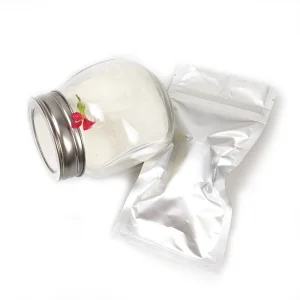
Nandrolone Decanoate exhibits a relatively low melting point (33°C to 37°C) and can undergo slow ester hydrolysis when exposed to moisture and elevated temperatures. The bulk material must be hermetically sealed in foil pouches under nitrogen purges, protected from light exposure, and stored below 15°C (preferably 2°C–8°C for prolonged durations) to prevent aggregation and maintain USP/EP purity specifications.
Yes. In addition to in-house batch certificates of analysis (COA) containing HPLC, LC-MS, and FTIR spectra, we regularly partner with third-party ISO/IEC 17025 accredited laboratories to provide independent analytical verification, including heavy metal scans (ICP-MS), residual solvents (GC-HS), and microbiological bioburden analysis upon formal commercial request.
Pilot research batches start at 100g and 500g in double-lined pharmaceutical-grade polyethylene bags inside secure fluorinated containers. For commercial drug formulation and regional distribution clients, scalable drum packaging (10kg, 25kg, and 50kg fiber drums) is readily accessible with pre-validated temperature-controlled logistics routing.
Analytical reference compounds, API intermediates, and signaling peptides verified for commercial sourcing.