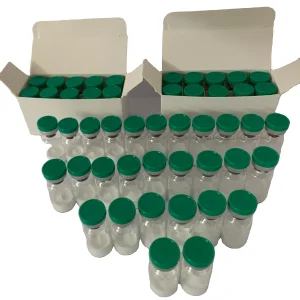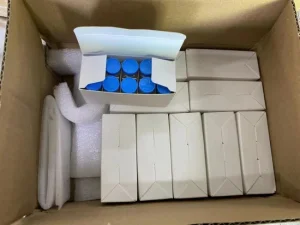
Verified synthesis reference compounds and clinical-grade synthetic intermediates tailored for pharmaceutical research and procurement workflows.

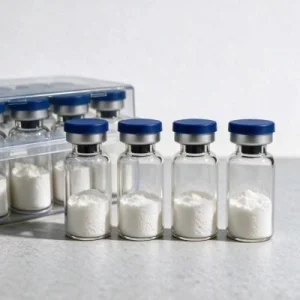
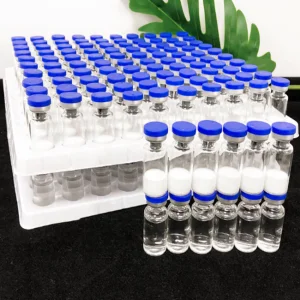
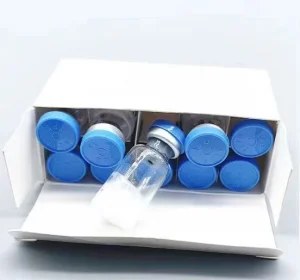
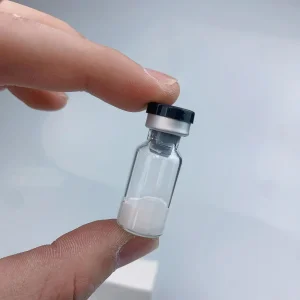

Nandrolone Phenpropionate (CAS 62-90-8) represents an essential, short-acting 19-norandrostane ester derivative widely utilized in endocrine biology, clinical oncology models, and cellular protein synthesis studies. Ensuring pharmaceutical-grade chemical integrity requires stringent chromatographic and mass-spectrometric control throughout solid-state esterification and recrystallization.
With an exact molecular formula of C27H34O3 and a relative molar mass of 406.56 g/mol, Nandrolone Phenpropionate exhibits distinct thermal transitions with a melting range of 95°C to 99°C. Highly lipophilic with negligible water solubility, it requires calibrated solvent carriers such as benzyl alcohol and ethyl oleate for pharmaceutical reconstitution and bioavailability assays.
Every commercial batch undergoes reversed-phase High-Performance Liquid Chromatography (RP-HPLC) coupled with electrospray ionization Mass Spectrometry (ESI-MS). Acceptance criteria strictly follow EP/USP monographs: single unspecified impurities must remain below 0.1%, residual organic solvents (Class 2 and Class 3) meet ICH Q3C limits, and bacterial endotoxin levels stay under 0.25 EU/mg.
Post-synthesis recrystallization utilizes specialized organic solvent matrices to prevent polymorphic degradation. The resultant white to creamy-white crystalline powder displays superior shelf-stability when sealed under dry nitrogen blankets away from actinic light, ensuring structural stability throughout ocean and air transit.
| Analytical Parameter | USP/EP Regulatory Standard | Factory In-House Target Spec | Testing Methodology |
|---|---|---|---|
| Physical Appearance | White or off-white crystalline powder | White crystalline powder | Visual & Organoleptic Analysis |
| Chemical Identification | Conforms to positive reference spectra | Infrared (FTIR) & ESI-MS Confirmation | FTIR / High-Res MS |
| Assay Purity (HPLC Basis) | 97.0% – 103.0% | ≥ 99.2% (Dry basis) | RP-HPLC at 240 nm |
| Melting Point Range | 95.0°C – 99.0°C | 96.5°C – 98.2°C | Automated Melting Point Meter |
| Specific Optical Rotation | +48° to +51° (in 1,4-dioxane) | +49.2° to +50.6° | Digital Polarimetry |
| Loss on Drying (LOD) | ≤ 0.5% | ≤ 0.25% | Gravimetric Desiccation at 105°C |
| Heavy Metals Residue | ≤ 10 ppm | ≤ 5 ppm | ICP-MS Inductively Coupled Plasma |
How our integrated chemical synthesis hub addresses the pain points of modern institutional sourcing: from cost optimization and precursor accessibility to comprehensive export risk mitigation.
China produces over 80% of global steroid core intermediates, notably 4-androstenedione (4-AD) and 19-nor-4-androstene-3,17-dione. Operating direct extraction and synthesis lines removes third-party broker markups, securing a consistent upstream inventory that shields buyers from global price volatility.
We mitigate customs transit risks via pre-cleared, specialized chemical logistics conduits. Every consignment includes commercial invoices, customs documentation, and harmonized system code declarations to ensure frictionless entry into European, North American, and Latin American regional distribution hubs.
Unlike small-scale traders, our facility provides complete analytical dossiers with every batch. Each commercial drum features tamper-evident holographic serials linked directly to digital COAs, including full UV-vis scans, HPLC integration reports, and residual solvent gas chromatograms.
The shift toward personalized medicine, anti-catabolic clinical models, and automated analytical testing is reshaping how specialized active pharmaceutical ingredients (APIs) are manufactured and qualified globally.
CAS 62-90-8 maintains high affinity for androgen receptors while presenting lower relative androgenic activity compared to natural testosterone. Modern metabolic laboratories utilize the compound to study nitrogen retention, calcium homeostasis in severe osteoporosis, and therapeutic pathways for counteracting sarcopenia in chronic wasting disorders.
With global regulatory bodies requiring tighter anti-doping and forensic reference panels, there is high demand for ≥99.5% chromatographic reference standards. Our factory produces micro-milled and ultra-pure reference aliquots designed specifically for GC-MS and LC-MS/MS calibration in accredited testing facilities.
The chemical manufacturing industry is transitioning from legacy batch reaction vessels toward automated micro-channel continuous flow systems. This approach sharpens reaction temperature control during the esterification of 19-nortestosterone with phenylpropionic acid, significantly reducing hazardous byproducts.
Navigating regional import laws and chemical governance demands an experienced manufacturing partner. We offer localized support frameworks for buyers across diverse regulatory environments.
We supply standard commercial documentation along with comprehensive chemistry, manufacturing, and control (CMC) packages. Our regulatory team prepares DMF open parts, TSE/BSE free statements, elemental impurity declarations (ICH Q3D), and solvent certificates to support client audits.
We accommodate global shipping criteria with multi-lingual GHS labels (English, German, French, Spanish, and Japanese), complete with correct pictograms, signal words, and international hazard statements. Specialized packaging options include fluorinated HDPE bottles, vacuum-sealed aluminum-foil pouches, and UN-certified fiber drums.
Every corporate buyer is paired with a technical account representative backed by chemical synthesis engineers. Inquiries receive analytical feedback, safety data sheets (SDS), and custom batch reserve options within a guaranteed 24-hour business turnaround.
Addressing common technical, legal, and operational inquiries from laboratory managers, corporate procurement officers, and regulatory specialists.
Expanded peptide formulations, research ligands, and molecular biology reagents available for immediate global export.