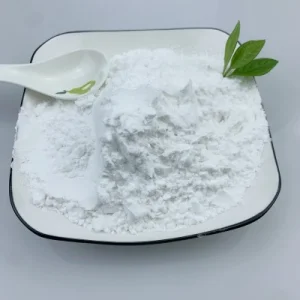
Explore standard pharmaceutical intermediates, veterinary active APIs, and research-grade peptide complexes supplied direct from validated manufacturing batches with complete COA tracking.
A deep-dive technical overview into the chemical characterization, synthesis challenges, and commercial availability of 17β-hydroxyestra-4,9,11-trien-3-one 17-acetate.
CAS 10161-34-9 represents Trenbolone Acetate, an estrane-derived steroid structurally defined by a conjugated triene system (delta-4,9,11). This configuration imparts notable binding affinity to androgen and progesterone receptors while preventing aromatization into estradiol, making it an essential reference benchmark in endocrinology and synthetic biology.
Due to the conjugated system extending across carbons 4, 9, and 11, the molecule exhibits strong chromophoric absorption (UV max around 340 nm) and is prone to oxidative photodegradation. Professional storage conditions require amber nitrogen-purged borosilicate containers held below standard ambient temperatures to prevent auto-oxidation into poly-oxidized steroidal adducts.
CAS 10161-34-9 is strictly synthesized for regulated commercial veterinary formulation, veterinary research models, metabolic studies, and advanced organic synthesis calibration. Global enterprise buyers demand full regulatory compliance documentation, analytical release certificates, and transparent impurity profiling before initiating bulk supply contracts.
| Analytical Parameter | USP/EP Certified Standard | Manufacturer Technical Release (Typical Batch) | Methodology |
|---|---|---|---|
| Chemical Formula | C20H24O3 | Confirmed Identity | HR-MS / Elemental Analysis |
| Chromatographic Purity | ≥97.0% | 98.80% - 99.45% | Reversed-Phase HPLC (UV @ 340 nm) |
| Melting Point Range | 94°C to 97°C | 95.5°C - 96.8°C | Automated Melting Point Capillary |
| Loss on Drying | ≤0.50% | 0.18% | Thermogravimetric Analysis / Vacuum Oven |
| Heavy Metals Residue | ≤10 ppm | <2 ppm | ICP-MS Inductively Coupled Plasma |
| Residual Solvents | ICH Q3C Limits | Complies (Ethanol < 500 ppm, DCM Not Detected) | Headspace Gas Chromatography (GC-MS) |
Why domestic production corridors in Hebei and regional fine-chemical clusters lead the global market in quality stability, low batch-variance, and streamlined delivery pipelines.
Chinese facilities maintain vertically integrated access to core upstream steroidal building blocks such as 4-AD (Androstenedione), 19-Norandrostenedione, and fitosterols. This integration buffers enterprise purchasers from worldwide raw material supply shocks and price volatility.
Modern production facilities have phased out archaic metal oxidations in favor of clean enzymatic biocatalysis coupled with microchannel continuous-flow acetylation. This leap eliminates thermal hot spots and cuts residual metallic contaminants to undetectable trace levels.
Every commercial batch goes through multi-angle analytical verification: UHPLC-DAD for impurity quantification, Mass Spectrometry (ESI-MS) for molecular confirmation, and Proton/Carbon NMR to guarantee isomer pure composition without regioisomeric byproducts.
Our logistical infrastructure includes inert gas packaging, temperature-controlled insulated shipping boxes, customs pre-clearance harmonization (HS Code 2937290090), and localized warehouse hubs to maintain rapid transit across North America and European channels.
Examining how high-purity CAS 10161-34-9 materials are implemented across livestock veterinary systems, clinical validation studies, and metabolic pathway assays.
In licensed global veterinary applications, Trenbolone Acetate serves as the gold-standard subcutaneous implant compound for beef cattle. It dramatically improves feed-to-weight conversion ratios, nitrogen retention, and mineral absorption efficiency without compromising lean muscle mass integrity or elevating stress markers in pastoral stock.
Because CAS 10161-34-9 displays non-aromatizable properties with distinct non-genomic cellular activity, it serves as a staple ligand in university laboratories studying androgen receptor (AR) dynamics, muscle wasting conditions (cachexia models), and the genomic transcriptomics of skeletal muscle repair.
Modern analytical biochemistry uses Trenbolone Acetate and its major metabolites (17α-trenbolone and trendione) as reference materials for testing soil photodegradation kinetics, wastewater monitoring, and microbial degradation pathways within agrochemical environments.
Key structural changes shaping global chemical sourcing strategies, supplier qualification hurdles, and compliance auditing in 2025–2030.
Procurement directors no longer accept simple paper certificates with vague generic statements. Rigorous vetting requires raw HPLC data integrations, mass fragmentograms, NMR spectrum records, and lot-specific ICP-MS heavy metal reports to ensure complete regulatory compliance before freight booking.
Global supply chain shocks have driven importers to diversify away from single-broker setups. Enterprises routinely establish direct procurement contracts with verified Chinese synthesis plants equipped with localized inventory warehouses in North America and Europe for low-risk, just-in-time delivery.
Green chemistry initiatives are reshaping supplier evaluations. Tier-one manufacturers that implement closed-loop solvent recovery units, zero VOC release scrubbers, and catalytic reagent recycling gain clear preference during international regulatory inspections and corporate sustainability reviews.
Clear, direct answers regarding analytical verification, order minimums, cold-chain handling, and export customs clearance for CAS 10161-34-9.
Complete your chemical supply chain sourcing with our factory-direct steroid hormones, active cosmetic ingredients, and metabolic peptide analogs.