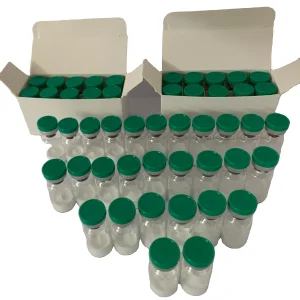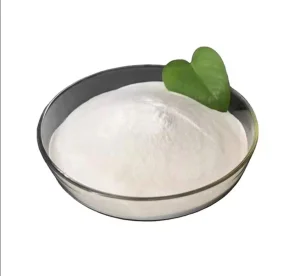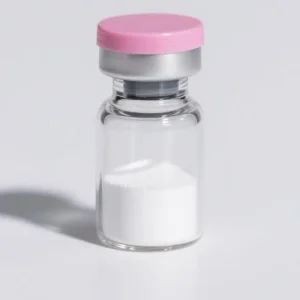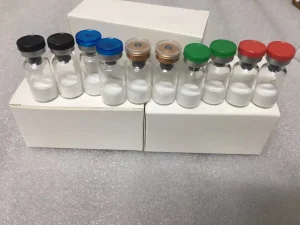
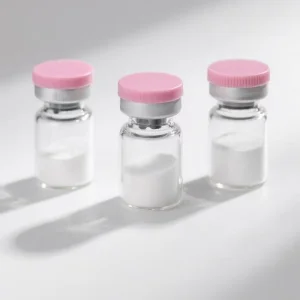
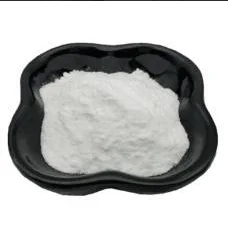
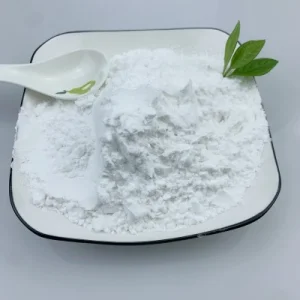
In modern biomanufacturing and chemical synthesis, CAS 58-63-9 designates Inosine (chemically identified as 9-β-D-ribofuranosylhypoxanthine, C10H12N4O5, molecular weight 268.23 g/mol). Structurally composed of a hypoxanthine purine base linked to a D-ribofuranose ring via a β-N9-glycosidic bond, inosine is an indispensable naturally occurring purine nucleoside. It serves as an essential precursor in purine salvage bio-pathways, a fundamental biological intermediate in RNA transcription, and a vital active raw building block for pharmaceutical synthesis.
Industrial demand for CAS 58-63-9 spans across multiple high-tier sectors: active pharmaceutical ingredient (API) manufacturing, modern biotechnology cell culture media, enzymatic nucleotide production, and sports bio-energetics. Because inosine operates as the direct biological parent of inosine monophosphate (IMP), adenosine triphosphate (ATP), and guanosine triphosphate (GTP), its chemical integrity and stereochemical purity are critical determiners in biopharma cell yield, viral-inhibitor efficacy, and neuro-regenerative therapy outcomes.
| Analytical Parameter | Physicochemical Specification (USP/EP Standards) | Methodology / Analytical Verification |
|---|---|---|
| Chemical Name | 9-β-D-Ribofuranosylhypoxanthine / Hypoxanthine ribonucleoside | IUPAC Standard Nomenclature |
| Assay Purity (Titration / HPLC) | 99.0% to 101.0% (anhydrous substance basis) | Reversed-Phase HPLC-UV (λ = 249 nm) |
| Appearance | White to almost white crystalline powder; odorless | Visual & Organoleptic Inspection |
| Specific Optical Rotation [α]D20 | -49.0° to -52.0° (c = 1 in water, anhydrous substance) | Sodium D-line Polarimetry (589 nm) |
| Melting / Decomposition Point | 218°C to 222°C (exhibits decomposition behavior) | Capillary Melting Point / DSC Thermal Scan |
| Solubility Profile | Slightly soluble in water (1.6 g/100 mL at 20°C); practically insoluble in ethanol & diethyl ether | Gravimetric Dissolution Evaluation |
| Loss on Drying (LOD) | ≤ 0.50% (under vacuum over P2O5 or 105°C) | Thermogravimetric Analysis |
| Residue on Ignition (Sulfated Ash) | ≤ 0.10% | Muffle Furnace Ashing (800°C) |
| Heavy Metals (Pb, As, Cd, Hg) | Total ≤ 10 ppm; Individual toxic metals ≤ 1 ppm | Inductively Coupled Plasma Mass Spectrometry (ICP-MS) |
| Bacterial Endotoxins | < 0.05 EU/mg (Bio-grade / Injectable grade customized) | Turbidimetric Kinetic LAL Testing |
The global inosine (CAS 58-63-9) marketplace has entered a high-growth phase driven by accelerating advancements in biotechnology cell line development, therapeutic nucleotide cascades, and clinical immunotherapy. Historically considered an ordinary active intermediate, inosine has experienced a structural revaluation. Contemporary upstream pharmaceutical developers utilize inosine not only as a simple chemical molecule, but as an essential carbon-nitrogen building block for immunomodulators (such as Inosine Pranobex / Methisoprinol), broad-spectrum antiviral agents, and high-efficiency serum-free cell culture media formulations.
Across North America and the European Union, strict bioprocessing standards (cGMP) require manufacturers of mammalian cells (specifically CHO—Chinese Hamster Ovary cells) to formulate chemical-defined (CD) media devoid of animal-derived components. Inosine CAS 58-63-9 acts as an indispensable purine donor that sustains peak cell viability and optimizes monoclonal antibody (mAb) volumetric productivity. Concurrently, in emerging markets across the Asia-Pacific region, Latin America, and Eastern Europe, demand for inosine-based cardiovascular drugs and hepatic therapeutics remains robust, creating an international demand profile that exceeds tens of thousands of metric tons per annum.
The re-emergence of purine nucleoside antiviral analogs and the expansion of mRNA capping reagents (wherein inosine derivatives serve as key modified nucleotide analogues) have solidified CAS 58-63-9 as a strategic supply-chain commodity. Multinationals are securing multi-year off-take agreements with audited manufacturers capable of providing continuous DMF (Drug Master File) documentation, CEP certificates, and low-endotoxin batches.
Tier-1 producers are implementing green enzymatic biocatalysis to drastically reduce chemical effluent, meeting modern ESG mandates enforced by Fortune 500 pharmaceutical corporations.
China has emerged as the unchallenged global epicenter for the large-scale industrialization of CAS 58-63-9. This competitive supremacy is not founded merely upon labor or overhead advantages; it is anchored in deep bio-engineering infrastructure, industrial cluster integration, and advanced synthetic fermentation technologies. Domestic production leverages high-titer genetically optimized strains of Bacillus subtilis and Corynebacterium ammoniagenes, delivering metabolic conversion efficiencies from glucose substrates that significantly outperform legacy overseas fermenters.
Modern Chinese manufacturing facilities operate continuous submerged aerobic bioreactor arrays scaling up to 150,000-liter capacities per fermentation batch. These automated systems are managed via SCADA and distributed digital control systems (DCS), continuously optimizing dissolved oxygen (DO), carbon-nitrogen ratios, pH, and trace cofactor supplementation in real-time. This level of process control ensures unprecedented batch-to-batch homogeneity, completely eliminating the batch volatility that plagued older fermentation methodologies.
Utilizing CRISPR-engineered Bacillus subtilis mutants with deactivated purine repressor genes to achieve hyper-accumulation of extracellular inosine without metabolic branching.
Real-time dynamic feed-batch control in 100m³+ stainless steel reactors. Micro-bubble sparging maximizes oxygen transfer coefficients (kLa), reaching fermentation titers > 95 g/L.
Ceramic microfiltration for cell removal, followed by macroporous ion-exchange chromatography and nano-filtration to strip away residual pigments, trace pyrogens, and protein debris.
Supersaturation-controlled vacuum evaporative crystallization producing high-density, uniform crystal lattice particles with ultra-low residual solvent and moisture (< 0.3%).
By operating within integrated industrial parks located adjacent to major corn-refining hubs (Hebei, Shandong, and Henan), China manufacturers secure non-GMO glucose feedstock with negligible logistics friction. Combined with integrated on-site co-generation power plants and membrane effluent recovery, factories maintain continuous 365-day operational cycles, insulating Western and Asian enterprise buyers from geopolitical shortages and seasonal price spikes.
Inosine CAS 58-63-9 is not restricted to a solitary commercial function; its versatile molecular structure enables broad deployment across four foundational global industries:
In recombinant protein and viral vector manufacturing, mammalian host cells require exogenous purines via the salvage pathway. Inosine acts as an energy source and direct nucleic acid donor, sparing cellular ATP. Supplementation increases cell longevity in high-density perfusion bioreactors, raising IgG antibody titers by up to 22% compared to control media.
Inosine is the core active building block for Inosine Pranobex (Methisoprinol / Isoprinosine), a globally licensed synthetic compound combining inosine with dimepranol acedoben in a 1:3 ratio. It exhibits profound immunostimulatory activity against viral infections including herpesviruses, subacute sclerosing panencephalitis (SSPE), HPV, and acute viral respiratory infections.
In modern oligonucleotide therapeutics, modified nucleosides are critical for therapeutic gene silencing and mRNA translation. Inosine serves as the fundamental input in the enzymatic synthesis of 5'-Inosine Monophosphate (5'-IMP), Inosine Triphosphate (ITP), and hypoxanthine arabinoside derivatives used in next-generation antiviral drug discovery pipelines.
Clinical research demonstrates that inosine penetrates the blood-brain barrier via nucleoside transporters (ENT1/ENT2). In pre-clinical models of ischemic stroke, traumatic brain injury (TBI), and spinal cord trauma, inosine stimulates axon sprouting and upregulates GAP-43 (growth-associated protein 43), enhancing motor functional recovery. In cardiology, inosine exhibits inotropic effects without augmenting vascular resistance, aiding myocardial protection during acute hypoxia.
In sports nutrition, inosine is formulated to assist erythrocytic 2,3-diphosphoglycerate (2,3-DPG) production, facilitating enhanced oxygen dissociation to working skeletal muscles during sustained anaerobic and aerobic physical exertion.
Procurement teams sourcing CAS 58-63-9 for clinical, bioprocessing, or diagnostic applications cannot rely on superficial purity claims. A robust technical qualification audit must verify adherence to international pharmacopoeial monographs (USP, EP, JP, and ChP) while interrogating potential impurities inherent to fermentative synthesis routes:
| Risk Category | Critical Quality Attribute (CQA) | Acceptance Limits (Pharma Grade) | Auditing Methodology & Verification |
|---|---|---|---|
| Related Substances (Impurities) | Hypoxanthine, Adenosine, Guanosine, Inosine isomers | Individual Impurity ≤ 0.20%; Total Impurities ≤ 0.50% | Gradient RP-HPLC with photodiode array (PDA) detector at 254 nm |
| Residual Solvents | Methanol, Ethanol, Acetone, Isopropanol | Adherence to ICH Q3C Option 1: Ethanol ≤ 5000 ppm; Methanol ≤ 3000 ppm | Headspace Gas Chromatography with FID Detection (HS-GC-FID) |
| Elemental Impurities | Class 1 (Cd, Pb, As, Hg), Class 2A/2B Catalysts | ICH Q3D Daily Exposure Limits (e.g., Pb ≤ 0.5 ppm, As ≤ 1.5 ppm) | Inductively Coupled Plasma Mass Spectrometry (ICP-MS) |
| Microbiological Bioburden | Total Aerobic Microbial Count (TAMC), Yeast & Mold (TYMC) | TAMC ≤ 1000 CFU/g; TYMC ≤ 100 CFU/g; Absence of E. coli & Salmonella | Membrane Filtration Microbial Enumeration Testing (USP <61>/<62>) |
| Bacterial Endotoxins | Gram-negative bacterial pyrogens | Standard Grade: < 0.5 EU/mg; Parenteral / Bio-Grade: < 0.05 EU/mg | Kinetic Turbidimetric or Chromogenic LAL Assay (USP <85>) |
| Origin & TSE/BSE Status | Absence of animal-derived processing aids or enzymes | 100% Non-Animal / 100% Plant & Fermentation Derived Origin | Manufacturer Certification & Complete Fermentation Raw Material Disclosure |
Batch Traceability & Analytical Package: Every commercial shipment of CAS 58-63-9 delivered to institutional buyers must be accompanied by an authenticated Certificate of Analysis (COA) containing exact batch numbers, manufacturing/expiry dates, signed approval by the Quality Assurance unit, overlaid HPLC chromatograms, infrared spectrophotometric matching (FTIR vs. Reference Standard), and carbon-13/proton nuclear magnetic resonance (1H/13C-NMR) spectrum validation.
The manufacturing landscape for inosine is transitioning from conventional industrial microbiology into the realm of modern synthetic biology and multienzyme in-vitro cascades. Emerging industry developments include:
Pioneering research teams are developing non-cellular enzymatic cascades that couple purine nucleoside phosphorylase (PNP) with ribokinase. This transforms inexpensive D-ribose and hypoxanthine directly into inosine with theoretical stoichiometric yields approaching 98%, completely eliminating organic biomass and reducing water utilization by 65%.
Tier-1 producers are retrofitting plants with membrane biogas capture systems that utilize anaerobic digestor effluents from fermentation waste streams to generate high-pressure steam, drastically lowering the scope-1 and scope-2 carbon emissions associated with large-scale crystallization.
With heightened FDA and EMA scrutiny over supply chain vulnerability, Chinese manufacturers are aggressively co-filing US Drug Master Files (Type II DMF) and EU CEP dossiers to ensure seamless qualification within innovator pharmaceutical pipelines.
Direct answers to the most critical technical, commercial, and regulatory inquiries submitted by global procurement managers, QA auditors, and formulation scientists.