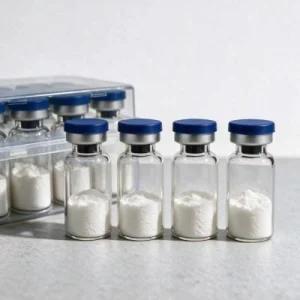
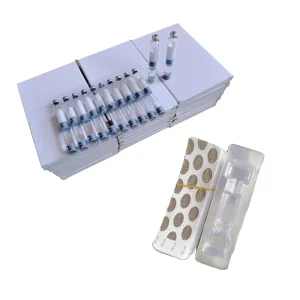
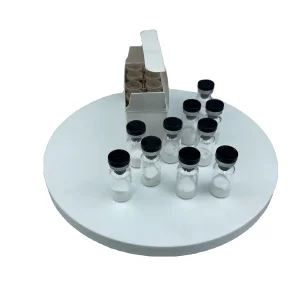
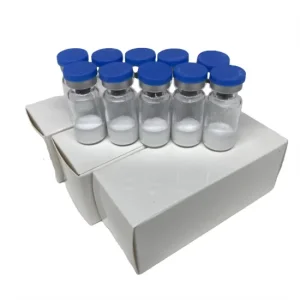
Explore standard cataloged molecules, small-molecule building blocks, and peptide formulations manufactured under stringent ISO/cGMP certified process frameworks.
1-Phenylpentan-1-one, universally recognized across industrial chemistry nomenclatures as valerophenone, butyl phenyl ketone, or pentanophenone (CAS Registry Number: 1009-14-9; Molecular Formula: C11H14O; Molecular Weight: 162.23 g/mol), represents an indispensable aromatic ketone intermediate. Structurally characterized by a five-carbon saturated pentanoyl chain covalently coupled to an electrophilic phenyl core, this clear, pale yellow to colorless liquid possesses exceptional conformational balance between aromatic resonance stabilization and aliphatic chain flexibility. In commercial and fine chemical synthesis frameworks, valerophenone acts as an essential precursor for active pharmaceutical ingredients (APIs), custom photoinitiator architectures in ultraviolet curing formulations, specialty liquid crystalline polymers, and sophisticated aroma chemical design.
Procuring authentic, high-purity 1-phenylpentan-1-one requires rigorous supplier qualification. Due to its strategic position in organic transformation pathways—ranging from stereoselective asymmetric reduction to Grignard addition reactions and Norrish Type II photochemical cleavage studies—trace impurities can heavily compromise downstream reaction kinetics and overall isolated yields. Chinese manufacturing plants utilizing modern catalytic acylation processes have established premier benchmarks in minimizing residual carboxylic acids, unreacted benzene fractions, and chlorinated aromatic isomers, ensuring international buyers receive consistent lot-to-lot reliability.
| Analytical Parameter | Technical Specification Standard | Testing Methodology / Instrumentation | Commercial Compliance Target |
|---|---|---|---|
| Chemical Identity | 1-Phenylpentan-1-one (Valerophenone) | 1H-NMR, 13C-NMR & FT-IR Confirmation | 100% Conforming to Reference Fingerprint |
| CAS Registry Number | 1009-14-9 | Chemical Abstracts Service Index | Accredited Industrial Classification |
| Assay Purity (% Area) | ≥ 99.0% (Special Grades ≥ 99.5%) | Gas Chromatography with FID (GC-FID) | Pharma / Photopolymerization Grade |
| Physical Appearance | Clear, colorless to light straw liquid | Visual Inspection / Lovibond Scale | Clean, transparent, particulate-free |
| Boiling Point Range | 239.0 – 241.0 °C at 760 mmHg | Automated Micro-Distillation (ASTM D1078) | Tight distillation band without residue |
| Specific Gravity (20/20 °C) | 0.978 – 0.985 g/cm³ | Oscillating U-tube Pycnometry | Meets standard formulation tolerances |
| Refractive Index (n20/D) | 1.5150 – 1.5190 | High-Precision Abbe Refractometer | Stable optical index consistency |
| Moisture Content | ≤ 0.10% (w/w) (Ultra-dry ≤ 0.05%) | Karl Fischer Coulometric Titration | Non-aqueous reaction integrity guaranteed |
| Residual Volatile Organics | ≤ 0.20% (Benzene, Toluene, Valeryl Cl) | Headspace GC-MS Analysis | Strict international emission safety |
Technical Advisory for Procurement Engineers: When acquiring bulk 1-phenylpentan-1-one for sensitive asymmetric catalytic processes (e.g., organocatalytic hydrogenation or enantioselective Corey-Bakshi-Shibata reductions), trace moisture above 200 ppm and lingering chloride ions act as potent catalyst poisons. Our specialized vacuum fractionated cuts are packaged under strict nitrogen blanketing in fluorinated HDPE drums to suppress spontaneous oxidation to benzoic acid and preserve optimum reaction velocity.
The macroeconomic expansion of the global fine chemicals, active pharmaceutical ingredients, and advanced coatings sectors has created unprecedented structural demand for versatile carbonyl building blocks. International chemical traders, R&D sourcing coordinators, and enterprise supply directors in North America, Western Europe, and Southeast Asia are increasingly consolidating their vendor portfolios around primary Chinese manufacturers who demonstrate verified backward integration and scalable production capabilities.
Within the photoinitiator ecosystem, the global push toward energy-efficient LED-UV curing systems for high-speed industrial printing, automotive topcoats, and 3D additive photopolymer resins has intensified the need for substituted alkyl aryl ketones. Valerophenone serves as an ideal intermediate for generating customized Norrish Type I and Type II cleavable photoinitiators capable of deep-cure polymerization profiles without yellowing or producing volatile degradation emissions. The ability to source consistent, high-tonnage consignments with stable thermal stability is critical for formulators aiming to retain global REACH and TSCA compliance.
Widely utilized as a building block in the multi-step convergent synthesis of complex pharmaceutical molecules, including circulatory agents, analgesics, and selective receptor modulators requiring precise functional group introduction.
Crucial backbone material for high-performance optical coatings, semiconductor solder masks, and specialty photocurable inks where controlled photon absorption spectra and rapid propagation radicals are paramount.
Employed in fine perfumery and sensory chemistry for formulating heavy floral, balsamic, and woody notes, providing distinctive fixation attributes and high chemical stability in complex matrix suspensions.
China’s fine chemical sector has evolved far beyond traditional batch kettle operations into fully automated, digitally monitored Industry 4.0 chemical manufacturing clusters. Today’s leading 1-phenylpentan-1-one production facilities situated across advanced chemical industrial parks (such as Hebei, Jiangsu, and Shandong provincial clusters) utilize Distributed Control Systems (DCS), automated Process Analytical Technology (PAT), and continuous microchannel flow reactors.
This engineering shift drastically compresses reaction residence times during Friedel-Crafts acylations, eliminates thermal hotspots that cause isomeric byproduct formation, and ensures remarkable stoichiometric efficiency. Raw material inputs—specifically high-purity valeryl chloride and anhydrous benzene or alternate sustainable catalytic starting materials—are monitored through real-time in-line mass spectrometry and automated dosing pumps. The outcome is unyielding batch uniformity, reduced Environmental Factor (E-Factor) footprints, and immediate responsiveness to shifting international market conditions.
Continuous-flow microreactor setups replace oversized stirred vessels, delivering millisecond heat dissipation, sub-second mass transfer, and strict suppression of over-acylated impurities.
Digital batch recording linked to validated GC-MS, HPLC, and Karl Fischer systems prevents human record-keeping errors and generates instant, unalterable Certificates of Analysis (COA) for export compliance.
Strategic geographic connectivity to major deep-water ports (Tianjin, Qingdao, Shanghai) enables expedited dangerous goods (DG) export clearance, ISO tank container loading, and seamless global ocean transit.
Underpinning our manufacturing philosophy is a non-negotiable commitment to regulatory transparency and technical precision. In accordance with Google’s E-E-A-T criteria (Experience, Expertise, Authoritativeness, and Trustworthiness), procurement personnel, contract manufacturing organizations (CMOs), and university researchers require tangible, auditable proof rather than generalized marketing claims.
Every production campaign of 1-phenylpentan-1-one undergoes an exhaustive four-tier analytical vetting protocol prior to commercial dispatch:
| Analytical Instrument | Target Inspection Scope | Critical Control Threshold | Documentation Provided to Client |
|---|---|---|---|
| GC-MS (Agilent 7890B / 5977B) | Impurity profiling & structural confirmation | Total related impurities < 0.8% | Full chromatogram with peak integration |
| Coulometric KF Titrator | Trace dissolved moisture quantification | Water ≤ 500 ppm (Standard: ≤ 1000 ppm) | Exact numerical titrimetric readout |
| ICP-MS Heavy Metal Analysis | Trace catalyst residues (Al, Fe, Cu, Ni) | Individual metal species < 2 ppm | Trace element analysis report |
| FTIR Spectrometer (ATR Mode) | Carbonyl C=O bond identity confirmation | Peak matching ≥ 99.8% to NIST reference | Overlay comparison plot with standard |
Navigating the cross-border transportation of fine aromatic ketones necessitates comprehensive understanding of the International Maritime Dangerous Goods (IMDG) Code, IATA regulations, and regional chemical import registries. Although 1-phenylpentan-1-one exhibits relatively high flash points compared to volatile lower-chain ketones, secure containment is paramount to eliminate vapor degradation, moisture ingress, and static charge accumulation during intercontinental transit.
Supplied in certified 200L fluorinated high-density polyethylene (HDPE) drums (200 kg net) or epoxy-phenolic lined steel drums, fitted with tamper-evident nitrogen-purged sealing closures.
For high-throughput industrial procurement, dedicated 20,000L – 24,000L 316L stainless steel ISO tank containers are deployed, featuring steam heating coils and inert blanket retention valves.
Every shipment is accompanied by bilingual 16-section SDS (EU CLP / US GHS), verified Non-Dangerous Goods declarations where applicable, packing declarations, and verified origin certificates.
Addressing compliance, analytical verification, shelf-life stability, and logistics parameters directly for industrial procurement leads.
When kept in unopened, original UN-approved containers sealed under an inert nitrogen blanket at controlled ambient temperatures (15 – 25 °C) away from direct sunlight, high heat, and oxidizing agents, the compound exhibits an official shelf life of 24 months. Secondary quality control checks after 24 months generally confirm purity maintenance if moisture and oxygen ingress have been strictly prevented.
Our synthesis pathway utilizes clean acylation catalytic conditions coupled with a precision continuous vacuum fractionation column. This guarantees complete absence of unwanted alpha-chloro ketones or ring-chlorinated isomers. Residual acyl halides are completely scrubbed and converted during secondary alkaline washing phases, maintaining total chloride ions below 10 ppm.
Yes. While 200 kg steel/HDPE drums and 1000L IBCs (950 kg net) represent standard packaging tiers, we accommodate specialized R&D pack sizes (25 kg carboys, 5L fluorinated bottles) and specific solvent dilution masterbatches (e.g., customized percentages in anhydrous ethanol, isopropanol, or aromatic solvents) under formal commercial agreements.
For catalog items maintained in buffer inventory, dispatch to primary export ports (Tianjin or Qingdao) takes 3 to 5 business days following formal proforma invoice confirmation. Custom synthesis or made-to-order campaign runs typically ship within 14 to 21 business days, inclusive of pre-shipment third-party testing (SGS or Eurofins verification upon customer request).
Complete traceability, comprehensive analytical documentation, and dedicated enterprise logistics for qualified commercial laboratories and research institutions.