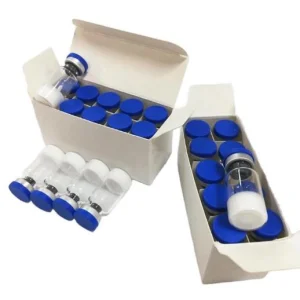
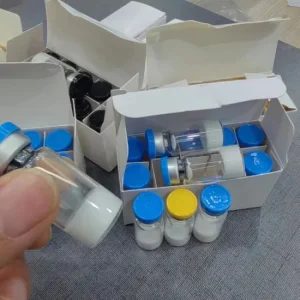
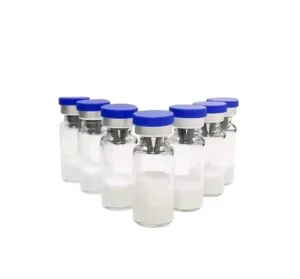
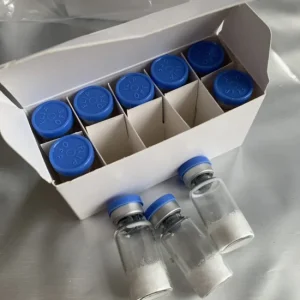
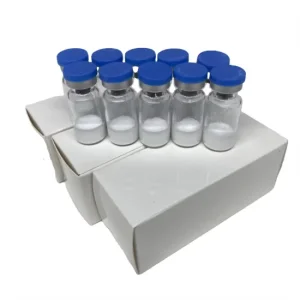
Directly from our quality-inspected manufacturing cleanrooms, verified by advanced chromatography and mass spectrometry.
Gamma-Butyrolactone (GBL, CAS 96-48-0) stands as one of the most critical structural building blocks across high-tech electronics, polymer synthesis, lithium energy storage, and fine pharma intermediates.
CAS 96-48-0 displays a high boiling point (204-205°C), low freezing point (-43.5°C), and strong dipolar dielectric constant, making it an irreplaceable specialty solvent in high-end photoresist strippers, semiconductor wafer cleaning, and capacitor electrolytes.
Over 65% of global CAS 96-48-0 output feeds straight into catalytic aminolysis to produce N-Methyl-2-pyrrolidone (NMP), N-Vinyl-2-pyrrolidone (NVP), and Polyvinylpyrrolidone (PVP), driving battery slurry production and pharmaceutical excipients globally.
As environmental mandates phase out chlorinated solvents and toxic hydrocarbons, non-ozone depleting lactones like GBL are widely adopted in non-toxic paint stripping, advanced agrochemical formulation, and green polymer casting.
Understanding the pathway from raw butane and maleic anhydride down to electronic-grade CAS 96-48-0 distillation.
The predominant global manufacturing standard for commercial-scale CAS 96-48-0 relies on the gas-phase catalytic dehydrogenation of high-grade 1,4-Butanediol (BDO). In Chinese manufacturing clusters located across Jiangsu, Shandong, and Inner Mongolia, modernized continuous-flow tubular reactors are packed with specialized copper-zinc-chromium or noble metal catalyst systems.
The conversion operates isothermally between 200°C and 260°C under slight positive pressures. Crucially, China's massive domestic upstream coal-to-chemical and acetylene-based Reppe processes ensure an unshakeable supply of low-cost, ultra-pure BDO. This continuous feedstock integration avoids batch-to-batch fluctuation and insulates downstream international buyers from crude-oil price shocks.
Technical Purity Threshold: For electronic and precision peptide/API synthesis applications, standard industrial grade (99.0%) is inadequate. Chinese advanced facilities incorporate multi-stage vacuum fractionation columns to bring residual water under 200 ppm and free acid levels (as butyric acid) under 0.05%, preventing side-reaction catalysis.
An alternative chemical pathway heavily optimized by Chinese chemical institutes is the direct hydrogenation of Maleic Anhydride (MA) via succinic anhydride intermediates. This pathway circumvents the intermediate BDO synthesis entirely, allowing manufacturers connected to n-butane oxidation units to produce GBL with reduced steam consumption and improved carbon atom economy.
Advanced factories operating in integrated chemical parks utilize co-generation energy loops, where the exothermic energy generated during hydrogenation is recaptured to run the continuous fractional vacuum columns, lowering net lifecycle carbon emissions.
Evaluating why leading chemical distributors, global CMOs, and battery gigafactories partner with Chinese direct manufacturers.
Unlike international producers dependent on multi-tier merchant markets for BDO or raw maleic anhydride, Chinese chemical parks integrate coal gasification, calcium carbide, or butane cracking straight into GBL distillation on one single contiguous site, eliminating inland freight tolls and intermediate markups.
With modern liquid bulk handling berths at ports like Qingdao, Shanghai, Ningbo, and Tianjin, Chinese factories package seamlessly into ISO Tanks (20,000–25,000 Liters), epoxy-lined steel drums (200kg), and IBC totes with dedicated Dangerous Goods (DG Class 9 / Non-DG depends on jurisdictional classification) clearance support.
Over the past decade, Chinese environmental regulations (such as Ministry of Ecology and Environment guidelines) prompted massive upgrades. Tier-1 plants boast closed-loop VOC recovery systems, Zero Liquid Discharge (ZLD) effluent facilities, and automated Distributed Control Systems (DCS) for error-free production safety.
Across key economic corridors in North America, Western Europe, Japan, and Southeast Asia, CAS 96-48-0 operates under distinct formulation constraints.
Due to its high permittivity and electrochemical stability over wide voltage windows, electronic-grade GBL is utilized in specialized non-aqueous electrolytes for lithium batteries and electric double-layer capacitors (EDLC), enabling low-temperature cold-cranking performance in EV packs.
Used in the total synthesis of neurotropic agents, active pharmaceutical ingredients (APIs), cyclopropylamine intermediates, and as a clean dipolar solvent during solid-phase peptide synthesis (SPPS) washes where resin swelling performance is crucial.
Acts as a functional reactive coalescent and viscosity reducer for specialty acrylics, polyacrylonitrile (PAN) spinning fibers, and polyurethane (PU) synthetic leather formulations, creating superior tensile finish without toxic plasticizers.
Navigating complex international legal jurisdictions with verified end-user declarations, dual-use screening, and customs documentation.
Our partner facilities maintain active REACH registration dossiers with full tonnage band coverage (1,000+ MT/year), complete with extended Safety Data Sheets (eSDS) and chemical safety assessments for seamless import into the European Union and the United Kingdom.
Because GBL is monitored in several nations as a potential chemical precursor, our regulatory division strictly enforces End-User Declarations (EUD) and Know-Your-Customer (KYC) compliance. We assist buyers with DEA import quotas, state chemical control registrations, and export licensing without customs border delays.
Direct Chinese partner factories participate in regular third-party supply chain audits. We provide real-time batch COA, GC/MS chromatograms, heavy metal trace analysis (ICP-MS), and certificates of origin (CO) authenticated under bilateral trade agreements.
Clear, documented answers regarding chemical quality, packing types, export documentation, and regulatory verifications.
We supply industrial grade at ≥99.5% and electronic/pharmaceutical grade at ≥99.85% minimum purity by gas chromatography (GC-FID). Moisture is kept strictly below 0.03% (Karl Fischer titration), with maximum acid values not exceeding 0.05 mg KOH/g.
Standard packing options include 200 kg galvanized/PVF-coated steel drums (80 drums per 20' FCL, palletized, 16 MT total), 1,000 kg HDPE composite IBC totes (20 MT per 20' FCL), and 20,000 to 24,000 liter ISO tanks for high-volume contract buyers.
Yes. Because Gamma-Butyrolactone is regulated in multiple national jurisdictions (e.g., USA DEA List I chemical, specific EU member restrictions), genuine B2B industrial buyers must provide corporate verification, operational licenses, and a signed End-User Declaration detailing manufacturing application.
Yes. Prior to container sealing at the factory or warehouse loading dock, we welcome and coordinate inspection by SGS, Intertek, or buyer-appointed testing agencies to independently sample, analyze purity, check drum seals, and verify tare weights.
Explore our full spectrum of fine chemicals, active biologicals, and lab reference compounds available for worldwide fulfillment.