Verified batch integrity across commercial and reference-standard lines, tested via analytical HPLC and tandem mass spectrometry (LC-MS/GC-MS) for global research and industrial formulation teams.

An authoritative breakdown of chemical parameters, synthesis thermodynamics, isomerization kinetics, and analytical release thresholds for CAS 20300-02-1.
| Analytical Parameter | Standard Specification (Pharma Grade) | Testing Methodology | Regulatory Verification |
|---|---|---|---|
| IUPAC Chemical Name | Diethyl 2-(2-phenylacetyl)propanedioate | IUPAC Rules of Nomenclature | Documented |
| CAS Registry Number | 20300-02-1 | CAS Chemical Registry Database | Certified |
| Molecular Formula & Weight | C15H18O5 | 278.30 g/mol | HR-MS (High-Resolution Mass Spec) | Exact Mass Matching |
| Synonyms & Trade Names | Diethyl (phenylacetyl)malonate; Diethyl 2-phenylacetylmalonate | Structural Identifier Standard | Cross-Referenced |
| Chemical Assay / Purity | ≥ 99.0% (Area Normalization) | GC-FID / HPLC-DAD (Reverse Phase) | COA Released |
| Physical State & Appearance | Viscous pale yellow to amber oil / crystalline at low temp | Visual / Colorimetric Hazen Scale | Visual Inspection |
| Boiling Point & Density | 165–170 °C at 1.5 mmHg; 1.148 g/cm³ at 25 °C | Capillary Pycnometer / Micro-Distillation | Standard Verified |
| Residual Solvent Limits | Ethanol ≤ 0.2%, Toluene ≤ 0.05%, Ethyl Acetate ≤ 0.1% | Headspace GC-MS (ICH Q3C Protocol) | ICH Compliant |
| Heavy Metal Residues | Pb ≤ 5 ppm, As ≤ 2 ppm, Hg ≤ 1 ppm, Cd ≤ 1 ppm | ICP-MS (Inductively Coupled Plasma) | USP <232> Pass |
Diethyl 2-(2-phenylacetyl)propanedioate (CAS 20300-02-1) is a multifunctional β-dicarbonyl derivative characterized by an active methylene center bounded between two carboethoxy groups and an adjacent phenylacetyl unit. The industrial preparation primarily proceeds through the controlled C-acylation of diethyl malonate with phenylacetyl chloride under basic condensation kinetics. Chinese fine-chemical synthetic routes optimize this via magnesium ethoxide complexation in an anhydrous hydrocarbon matrix, producing an ethoxymagnesium malonate intermediate that demonstrates high nucleophilic selectivity towards phenylacetyl halides without inducing unwanted polycondensation or O-acylation side products.
The thermodynamic equilibrium of this transformation requires strict temperature suppression between 0°C and 10°C during the dropwise electrophilic feed phase, followed by an acidic quench using dilute sulfuric or phosphoric acids. Subsequent flash solvent evaporation and continuous multi-stage vacuum fractionation ensure that unreacted diethyl malonate and residual phenylacetic acid traces are reduced below 0.15% w/w. This meticulous reaction control eliminates tar formation and preserves the lab-grade cleanness mandatory for downstream heterocyclic condensation cascades.
The convergence of fully integrated petrochemical feedstocks, dedicated specialty chemical parks, continuous flow micro-reactors, and stringent environmental compliance creates unmatched economies of scale.
Chinese producers possess an unassailable advantage in raw material integration. From basic toluene and acetic anhydride to phenylacetic acid, chloroacetyl precursors, and bulk diethyl malonate, upstream synthons are manufactured domestically within contiguous industrial corridors. This insulates international buyers from intermediate supply crunches and sharp geopolitical freight fluctuations.
Leading facilities in Hebei, Shandong, and Jiangsu have transitioned legacy batch glass-lined kettles to automated continuous tubular micro-reactors. This engineering pivot provides precise residence-time distribution, suppresses localized overheating during exothermic acylations, reduces impurity profiles by over 60%, and increases single-run yields to >92% theoretical conversion.
Production is centralized in Class-A certified National Chemical Industry Parks equipped with dedicated central wastewater treatment, catalytic incinerators (RTO), and 24/7 automated emission monitoring. This guarantees zero unplanned factory shutdowns during regional environmental audits, delivering consistent year-round order fulfillment.
With strategic proximities to major maritime container ports (Tianjin, Qingdao, Shanghai), Chinese chemical exporters offer streamlined customs declarations, Dangerous Goods (DG) maritime packaging compliance, UN-approved drums, and specialized air courier routes with complete dangerous goods safety declaration datasheets (MSDS/SDS).
Premier Chinese suppliers implement comprehensive batch tracking supported by GC-FID, 1H/13C-NMR, LC-MS, and Karl Fischer moisture titration. Every drum is coupled with an authentic COA, allowing immediate release into Western pharmaceutical pilot pipelines without redundant secondary purification overhead.
Whether procurement requires 25kg fiber drums for clinical trial synthesis or multi-ton ISO tank shipments for commercial active pharmaceutical ingredient (API) production campaigns, manufacturing flexibility allows scale-up validation without reformulating reagent specifications.
Analyzing key structural shifts in regulatory frameworks, green chemistry adaptations, and risk-hedged strategic sourcing models for worldwide synthetic facilities.
International chemical control bodies increasingly monitor phenylacetyl derivative flows to ensure non-diversion. Certified Chinese manufacturers implement strict Know-Your-Customer (KYC) programs, end-user verification declarations (EUD), and transparent customs HS 29183000 declarations to guarantee legitimate corporate compliance.
Modernization of catalytic acylation processes prioritizes the recovery and recycling of ethereal solvents and toluene. Continuous closed-loop solvent vacuum separation systems have lowered solvent loss per metric ton synthesized from 180 kg down to below 15 kg, achieving ISO 14001 environmental benchmarks.
Global pharmaceutical innovators increasingly deploy a "China + Regional Buffer" procurement framework. China provides high-volume, low-cost intermediate syntheses of Diethyl 2-(2-Phenylacetyl)Propanedioate, which is then stored in regional bonded warehouses (EU, North America, Middle East) for JIT delivery.
To eliminate maritime transport degradation caused by moisture absorption, leading Chinese exporters utilize airtight fluorinated polyethylene drums with inert nitrogen head-space purging. This prevents hydrolytic decarboxylation during cross-equatorial transit, preserving ≥99% purity upon destination arrival.
Examining how Diethyl 2-(2-Phenylacetyl)Propanedioate acts as a foundational synthetic scaffold across pharmaceutical, agricultural, and academic research realms.
Due to the electrophilic trifunctional arrangement of its three carbonyl centers, CAS 20300-02-1 undergoes facile cyclocondensation with binucleophiles such as hydrazines, amidines, and hydroxylamines. This provides straightforward access to functionalized pyrazole, pyrimidine, and isoxazole frameworks that serve as structural cores in central nervous system (CNS) agents and anti-inflammatory candidates.
The molecule acts as a critical precursor for multi-target kinase inhibitors and analgesic derivatives. Controlled mono-decarboxylations or Knoevenagel adduct modifications allow medicinal chemists to build extended aryl-alkyl chains with predefined stereocenters, significantly shortening multi-step drug discovery synthetic routes.
In the agrochemical sector, substituted phenylacetylmalonates are used in the development of next-generation crop protectants, specifically selective herbicides and fungicides that disrupt lipid biosynthesis in resistant fungal pathogens. High purity prevents phytotoxic off-target effects during field applications.
A systematic technical evaluation blueprint designed for procurement executives, quality assurance directors, and regulatory affairs teams importing from China.
Explore secondary pharmaceutical building blocks, therapeutic peptides, and muscle-repair analogues backed by comprehensive testing profiles and rapid international fulfillment.
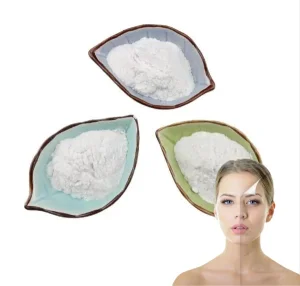
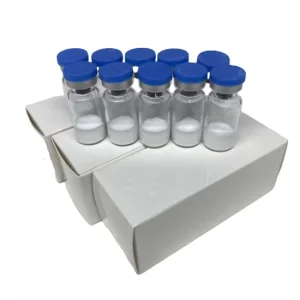
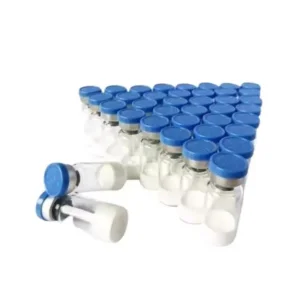
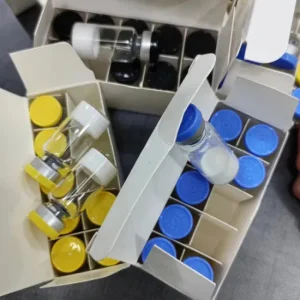
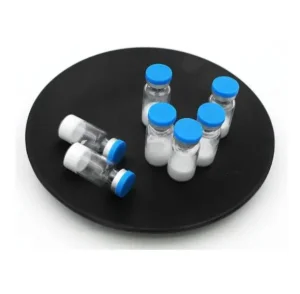
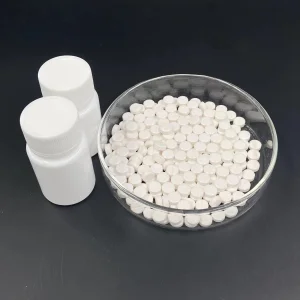
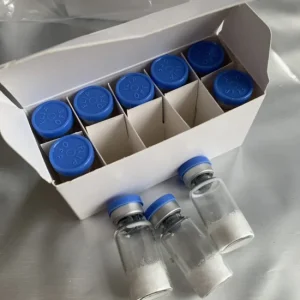
Targeted insights addressing regulatory validation, chemical storage parameters, commercial MOQs, and international shipping protocols.
The standard Harmonized System code for export and import declarations is HS 2918.30.0000 (Carboxylic acids with ketone or aldehyde functions, without other oxygen functions, their anhydrides, halides, peroxides, peroxyacids, and their derivatives). Buyers should coordinate with customs brokers to verify specific national subdivisions and submit complete SDS documentation and technical descriptive letters to ensure seamless port clearance.
As a β-dicarbonyl derivative, CAS 20300-02-1 can undergo slow thermally induced decarboxylation if exposed to high ambient moisture and temperatures exceeding 45°C. Certified Chinese manufacturers mitigate this risk by adding desiccating headspaces, using fluorinated UN-rated barrier drums, purging with ultra-pure dry nitrogen gas, and routing summer shipments via temperature-controlled reefer containers.
Yes. Although Diethyl 2-(2-Phenylacetyl)Propanedioate possesses a low melting point near ambient conditions and frequently presents as a high-viscosity supercooled liquid, specialized low-temperature seed-crystallization protocols utilizing light petroleum ether or methyl tert-butyl ether (MTBE) can produce solid crystalline cakes (purity ≥99.5%) packaged with ice packs for sensitive pharmaceutical applications.
Every commercial dispatch is accompanied by a manufacturer Certificate of Analysis (COA) containing: HPLC-DAD/GC-FID assay graphs, high-resolution 1H-NMR spectrum confirming structural proton integration, Karl Fischer titration results for moisture (≤0.3%), loss on drying (LOD), residual solvent headspace screening (ICH Q3C), and heavy metal residue analysis (ICP-MS).
Standard export packaging ranges from 1 kg sample aluminum foil canisters and 25 kg fluorinated HDPE drums to 200 kg heavy-gauge steel drums and 1,000 kg intermediate bulk containers (IBC totes). Commercial MOQs typically commence at 25 kg for pilot validation, while custom laboratory samples (100g to 500g) can be ordered for analytical reference purposes.
Continuous flow micro-reactors provide millisecond heat dissipation and precise stoichiometric mixing of corrosive acid chlorides with ethoxymagnesium malonates. This precision avoids localized thermal hotspots that generate polymeric resins and self-condensation by-products, compressing batch-to-batch purity variations to within ±0.2% area.
The compound should be stored in original, unopened nitrogen-blanketed containers in a cool, well-ventilated, dry chemical storage vault maintained between 2°C and 8°C. Containers must be protected from direct sunlight, open flames, and strong oxidizing or alkaline agents. When properly sealed, the compound retains documented analytical stability for at least 24 months from the production date.
Yes. Reputable, compliant Chinese manufacturers operate in strict alignment with domestic Ministry of Emergency Management and international supply chain anti-diversion standards. Legitimate corporate buyers must provide an official corporate purchase order, end-user declaration confirming commercial/research scope, and company registration certification prior to dispatch.

