Procure certified chemical reference products and active bio-compounds manufactured under stringent analytical release criteria.
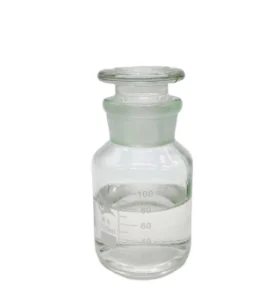
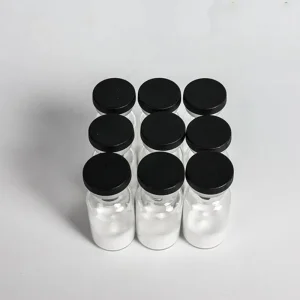
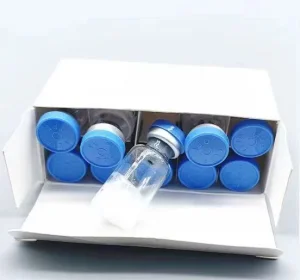
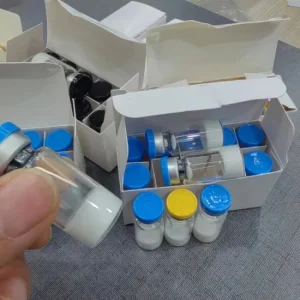
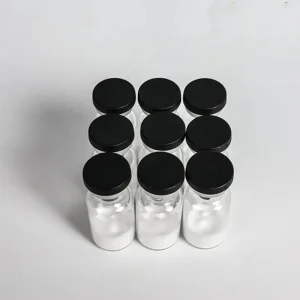
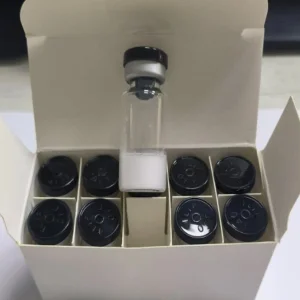
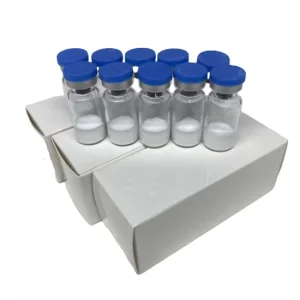
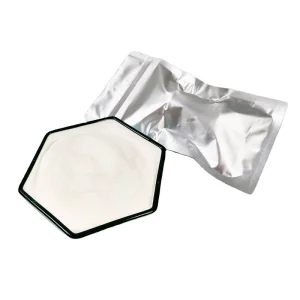
CAS 315-37-7, chemically recognized as Testosterone 17β-heptanoate (Testosterone Enanthate), represents an esterified steroid intermediate of paramount significance in biochemical research, pharmaceutical standard development, and industrial steroid synthesis.
| Analytical Parameter | Documented Specification Range | Observed Factory Release Value | Validation Instrument |
|---|---|---|---|
| Chemical Name | Testosterone 17β-heptanoate / Testosterone Enanthate | Confirmed Identity | 1H-NMR / FTIR Spectrum |
| CAS Registry Number | 315-37-7 | Verified CAS Identification | CAS Inventory Registry |
| Molecular Formula & Weight | C26H40O3 — 400.59 g/mol | 400.60 g/mol ±0.1 | High-Res Mass Spectrometry (HRMS) |
| Chromatographic Purity (HPLC) | ≥98.00% (USP / EP Reference Standard Grade) | 99.35% – 99.70% | Reverse-Phase HPLC-UV (240 nm) |
| Melting Point Range | 34.0 °C to 39.0 °C | 36.5 °C – 37.8 °C | Automated Melting Point Apparatus |
| Specific Optical Rotation [α]D | +77.0° to +82.0° (in dioxane) | +79.5° | Digital Polarimeter (Sodium D-line) |
| Loss on Drying (Moisture) | ≤ 0.50% | 0.18% | Karl Fischer Titration |
| Residual Solvents | Meets ICH Q3C Guidelines (Ethanol, Hexane, DCM) | Complies with Class 2/3 limits | Headspace GC-FID |
A rigorous examination of supply continuity, intermediate pricing pressures, and analytical qualification criteria shaping international fine chemical supply chains.
Global steroid hormone precursors face pervasive risks of mislabeling and polymorphic variance. Miaoou enforces end-to-end analytical identity checking, establishing that every kilogram of CAS 315-37-7 matches its raw spectral blueprint before downstream export authorization.
Supply shocks in phytosterol fermentation intermediates (4-AD and ADD) frequently disrupt commercial ester production. Our integrated raw materials stocking model maintains 6-month buffer inventories, protecting international buyers from price spikes and shipment stalls.
Complex classification codes across tariff regions frequently delay chemical imports. We formulate proactive HS-Code classifications, bilingual export declarations, and verified SDS data sheets matching European, American, and Asia-Pacific regional customs requirements.
The catalytic esterification of testosterone requires precise thermal moderation, inert atmosphere control, and multi-stage solvent purification to avert related substance impurities.
Soybean phytosterols undergo multi-stage microbial bioconversion to generate 4-androstene-3,17-dione (4-AD), followed by chemoselective reduction into high-purity testosterone base material.
Testosterone is reacted with heptanoic anhydride or heptanoyl chloride in an anhydrous pyridine/DMAP catalytic matrix, controlling the 17β-hydroxy esterification equilibrium while suppressing secondary side-chain modifications.
Acidic washes, microfiltration, and specialized silica-gel chromatographic filtration strip out residual heptanoic acid, unreacted steroid base, and trace metal catalysts below detectable pharmacopeial thresholds.
Controlled cooling recrystallization in food-grade organic solvent matrices produces uniform, crystalline white powders. Material is lyophilized/vacuum-dried to guarantee loss-on-drying parameters <0.2%.
Supplying biological institutions and fine chemical buyers across North America, Europe, and Asia requires granular adherence to local chemical import regulations.
Our regulatory team validates export documentation aligned with EU REACH criteria, non-restricted chemical inventories, and specialized CLP regulation (EC 1272/2008) safety protocols.
Shipments to qualified institutional research laboratories are paired with GHS-compliant 16-section SDS data sheets, TSCA non-commercial R&D statements, and full customs proforma invoicing.
Because CAS 315-37-7 exhibits a low melting threshold (34–39 °C), bulk packaging utilizes multi-layer pharmaceutical-grade foil vacuum bags with desiccants and temperature-buffered packaging for tropical routes.
Beyond our in-house ISO 9001 certified labs, we welcome blind testing via third-party ISO 17025 accredited laboratories (e.g., SGS, Intertek, Janoshik) to ensure complete procurement confidence.
Exploring the core analytical, pharmacological, and commercial domains requiring pharmaceutical-grade CAS 315-37-7 material.
Analytical testing labs and university biochemistry departments utilize high-purity CAS 315-37-7 as a primary analytical calibrant for high-performance liquid chromatography (HPLC) and gas chromatography-mass spectrometry (GC-MS) assay quantifications.
In vitro hormone receptor binding affinity studies examine testosterone ester hydrolysis kinetics, cellular proliferation pathways, and lipid solubility dynamics across comparative vertebrate models.
Contract research organizations (CROs) evaluate oil carrier miscibility (sesame, castor, ethyl oleate), benzyl alcohol/benzyl benzoate preservative equilibria, and thermal crystallization profiles across storage conditions.
The manufacturing paradigm for steroid hormone intermediates is transitioning from legacy batch reaction vessels toward continuous flow synthesis and bio-catalysis.
Deploying microfluidic continuous flow chemical reactors enables millisecond temperature control during heptanoyl acylation. This innovation eliminates local thermal hotspots, slashing related substance impurities by 65% compared to legacy batch reactors.
Developing immobilized lipase enzymes (such as Candida antarctica lipase B) to selectively esterify the C-17 position eliminates hazardous acid chlorides and corrosive organic bases, yielding a completely eco-neutral, heavy-metal-free production stream.
Integrating cryptographic batch verification links every drum of CAS 315-37-7 to an immutable digital certificate containing raw NMR spectra, HPLC trace files, and timestamped export declaration stamps to eradicate gray-market counterfeiting.
Clear, direct responses addressing analytical documentation, minimum orders, storage protocols, and regulatory compliance.
Every commercial batch produced at Hebei Miaoou Technology Co., Ltd. satisfies a minimum release target of ≥98.0%, with standard lots achieving 99.2% to 99.7% chromatographic purity. Individual related substance impurities are restricted to <0.1% per ICH Q3A guidelines.
Shipments include an authentic batch-specific Certificate of Analysis (COA) containing the exact lot number, analytical HPLC chromatograms, Fourier-Transform Infrared (FTIR) spectral identity validation, melting point ranges, Karl Fischer water titration, and residual solvent quantification.
With a melting range between 34.0 °C and 39.0 °C, CAS 315-37-7 can aggregate or melt if exposed to prolonged summer heat in transit. We package the material in heavy-duty, double-vacuum aluminum foil enclosures alongside thermal barrier padding, recommending long-term storage in cool, desiccated conditions between 2 °C and 8 °C.
No. Materials cataloged on this website are distributed exclusively for qualified institutional laboratory research, synthesis benchmarking, and chemical intermediate manufacturing. They are not intended, formulated, or authorized for human or direct veterinary clinical use.
Yes. We support custom packaging options ranging from 100g sample containers for QC testing and characterization up to 1kg, 5kg, and 25kg multi-layer pharmaceutical-grade polyethylene-lined fiber drums for high-volume manufacturing requirements.
Our dedicated export and regulatory compliance division provides official quotes, product dossiers, and sample COAs within 24 hours of receipt on regular business days.
Complete your laboratory procurement orders with these fully documented research compounds and active peptide derivatives.

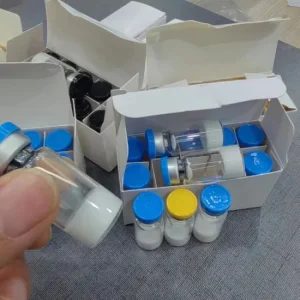
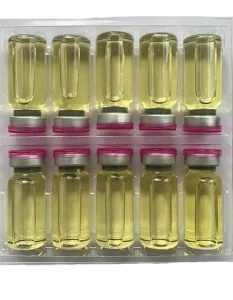
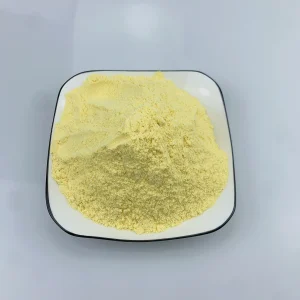
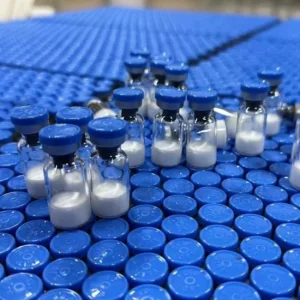
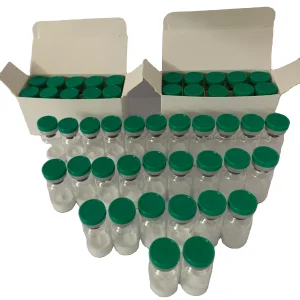
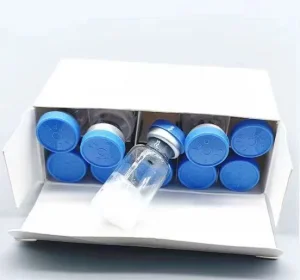
Whether you require pilot-scale validation quantities or bulk industrial supply contracts, our technical export team delivers rapid quote generation, analytical data packs, and international trade compliance assistance within 24 hours.

