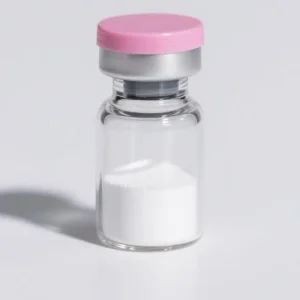
Procurement-grade organic synthesis intermediates, reference materials, and advanced peptides dispatched with batch-traceable HPLC/MS verification.
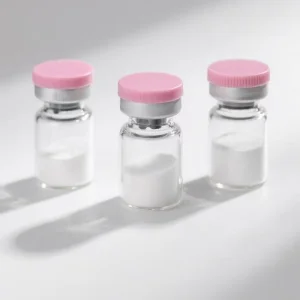
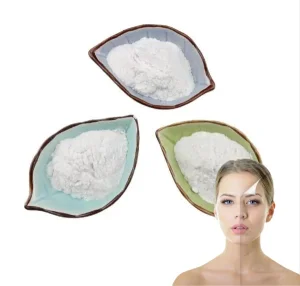
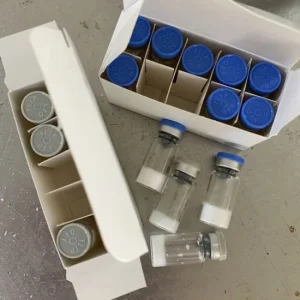
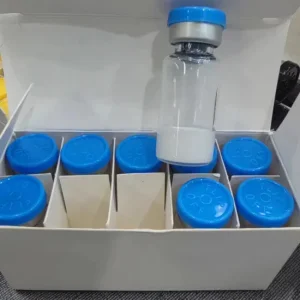

Methylamine Hydrochloride (Monomethylamine HCL, CH5N·HCl): An essential organic C1 synthon synthesized through high-selectivity gas-phase catalytic amination and sealed crystallization.
| Analytical Parameter | Industrial Tech Grade | Agrochemical Synthesis Grade | Pharma / Perovskite Electronic Grade | Validation Methodology |
|---|---|---|---|---|
| Chemical Structure | CH3NH2 · HCl | IUPAC: Methanaminium chloride | MW: 67.52 g/mol | 1H-NMR / FT-IR Confirmative | ||
| Assay Purity (Dry Basis) | ≥ 98.50% | ≥ 99.00% | ≥ 99.50% - 99.80% | Potentiometric Titration (AgNO3) |
| Appearance & Form | White to off-white crystal | White crystalline powder | Ultra-pure deliquescent plates / white prisms | Visual / Sensory Inspection |
| Water Content (H2O) | ≤ 0.50% | ≤ 0.30% | ≤ 0.15% (Ultra-dry desiccated) | Karl Fischer Coulometric Titration |
| Free Amine / Non-HCl Base | ≤ 0.15% | ≤ 0.08% | ≤ 0.02% (Controlled amine emission) | Acid-Base Non-Aqueous Titration |
| Dimethylamine HCL / Impurities | ≤ 0.40% | ≤ 0.20% | ≤ 0.05% | Ion Chromatography / GC-FID |
| Ignition Residue (Sulfate Ash) | ≤ 0.10% | ≤ 0.05% | ≤ 0.02% | Thermogravimetric Muffle Furnace (600°C) |
| Heavy Metals (Pb, As, Hg, Cd) | ≤ 20 ppm | ≤ 10 ppm | ≤ 2 ppm Ultra-trace | ICP-OES / ICP-MS Quantitation |
CAS 593-51-1 exhibits thermal sublimation characteristics before full dissociation into gaseous methylamine and hydrogen chloride at temperatures exceeding 225°C. Controlled temperature handling prevents thermal discoloration and preserves structural integrity.
Due to the polar nature of the methanaminium cation and chloride counterion, atmospheric moisture sorption triggers swift deliquescence. Our modern plant deploys Class 10,000 cleanroom desiccated packing bays maintained at <30% relative humidity.
Serves as a robust carrier of unhindered monomethyl nitrogen. It circumvents the severe hazardous gas shipping restrictions of free methylamine (boiling point -6°C) by offering a solid, shelf-stable, and stoichiometric crystalline salt for facile deprotonation in situ.
Transitioning from legacy batch amination reactors to micro-channel continuous synthetic architectures, green hydrogen amination, and ultra-low carbon footprint matrices.
Vaporized methanol and anhydrous ammonia reacted across shape-selective modified silicoaluminate zeolite catalysts. Suppresses tertiary amines, maintaining monomethylamine yields >88% before continuous in-line acidification with anhydrous HCl gas.
Full deployment of continuous micro-fluidic flow reactors. Drastically slashes residence time from hours to milliseconds, prevents hot-spot thermal breakdown, suppresses dimethylamine salt impurities to <0.02%, and delivers unmatched crystalline uniformity.
Direct integration with green ammonia plants and renewable bio-methanol feeds. Eliminates fossil-derived carbon precursors, reducing life-cycle greenhouse gas impacts by over 62% for carbon-conscious multinational pharmaceutical clients.
Scaling sub-ppm metal impurity crystallization dedicated to next-generation Methylammonium Lead Triiodide (MAPbI3) tandem perovskite photovoltaic modules. Paving the way for next-generation solar efficiency breakthroughs.
Methylamine Hydrochloride (CAS 593-51-1) is not merely a bulk chemical; it is the fundamental building block bridging human pharmaceuticals, precision agrochemistry, and energy frontiers.
Critical synthon for central nervous system drugs, antihistamines, and bronchodilators. Essential intermediate in the synthesis routes of Theophylline, Caffeine, Ephedrine, Metformin, and Sertraline. Requires exceptional purity to eliminate genotoxic nitrosamine precursors.
Precursor in the industrial manufacture of broad-spectrum carbamate insecticides (e.g., Carbaryl, Methomyl), systemic fungicides, and triazine herbicides. Delivers high nitrogen-atom economy and cost optimization for global food security programs.
Reactant with hydroiodic acid to form Methylammonium Iodide (MAI, CH3NH3I). MAI is the core organometallic absorber layer in hybrid metal halide perovskite solar cells, requiring low water (<0.05%) and zero residual transition metals.
Precursor for amphoteric surfactants, photographic developers, fuel additive stabilizers, and specialty ion-exchange resins. Enhances emulsion stability and corrosion resistance across oilfield extraction fluids.
Combining raw material integration, closed-loop chemical park safety, and DCS automated processing to secure dependable B2B procurement year-round.
Our centralized Yokogawa Distributed Control System (DCS) regulates reactor temperatures, reaction pressures (±0.05 bar), and stoichiometric HCl gas feed rates in real time. Eliminates human variance and ensures flawless lot-to-lot consistency.
Operating within national Class-A designated chemical development zones guarantees direct pipeline-fed chlorine, hydrogen, and methanol. Insulates international buyers against external feedstock bottlenecks and local power curtailments.
Strategically situated within 150 km of major international maritime terminals (Tianjin & Qingdao ports). Dedicated on-site Class 8/9 hazardous chemical bonded warehouses guarantee dispatch within 48 to 72 hours of Letter of Credit confirmation.
Demystifying documentation, analytical validation, dual-use precursor reporting, and specialized hermetic export packing for tier-1 chemical buyers.
Every commercial lot of CAS 593-51-1 ships accompanied by full regulatory documentation: Comprehensive Certificate of Analysis (COA) specifying titration assay, Karl Fischer moisture, ash, and heavy metal assays; 16-section GHS Safety Data Sheet (SDS); REACH Registration Dossier; BSE/TSE-Free declaration; and Nitrosamine Risk Assessment statements.
As Monomethylamine Hydrochloride can be regulated under national precursor chemical conventions in designated territories, our compliance team operates strictly under bilateral trade export licenses, verified End-User Declarations (EUD), and INCB (International Narcotics Control Board) clearance guidelines, assuring 100% legitimate audit trails.
To resist hygroscopic clumping during long maritime transit across humid equatorial shipping lanes, our product is triple-sealed: (1) Inner heat-welded virgin polyethylene film (120 μm); (2) Secondary aluminum foil vacuum-barrier pouch with non-leaching molecular sieve desiccant; (3) External UN-rated 25 kg fiber drums or reinforced woven bags with tamper-evident seals.
We actively support blind third-party verification by accredited international testing authorities (SGS, Eurofins, Intertek) prior to release. Inter-laboratory correlation tests ensure our in-house potentiometric titrations and impurity profiling match global customer QC release benchmarks seamlessly.
Addressing the technical, regulatory, storage, and supply chain queries raised by procurement leads, formulation chemists, and chemical traders.
Aqueous solutions (40% Methylamine in water) carry severe vapor emission risks, release pungent and toxic amine vapors at ambient temperatures, and demand specialized pressure-rated, corrosion-resistant isotanks. In contrast, CAS 593-51-1 is a crystalline solid salt that offers exact stoichiometric dispensing, zero volatile vapor hazards during storage, significantly reduced shipping weights, and long-term shelf stability when shielded from moisture.
Under pristine conditions—stored in original unopened containers, within a climate-controlled warehouse below 25°C and ≤50% relative humidity, away from strong oxidizing acids and alkalis—the product retains its analytical specification for a minimum of 24 months. Once opened, immediate resealing under a nitrogen blanket or integration into processing within the same shift is highly recommended to avert deliquescence.
Our continuous gas-phase synthesis incorporates shape-selective molecular sieve catalysts specifically engineered with pore dimensions that restrict the synthesis of multi-substituted amines. Subsequent multi-stage fractional distillation separates any volatile amine traces prior to salt crystallization, validated down to <0.05% using precision Ion Chromatography (IC) and GC-FID with derivatization.
Yes. For clients formulating dry blend agricultural formulations or specialized battery electrolyte matrices, we provide mechanical classification, high-purity pin-mill grinding, and controlled evaporative crystallization to provide distinct physical forms: from free-flowing coarse granular prisms (20-40 mesh) to fine micronized powders (80-120 mesh) processed under dry nitrogen sweeps.
We routinely support Incoterms 2020 including FOB, CFR, CIF, CIP, and DDP to major European, North American, Asian, and Latin American destinations. Commercial evaluation samples (100g to 1kg) ship via specialized courier with express customs clearance. Standard commercial containerized minimum orders start at 500 kg, scaling up to multi-container 20ft FCL shipments (approx. 18-20 metric tons palletized).
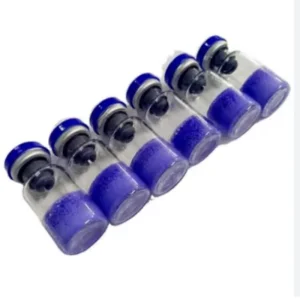
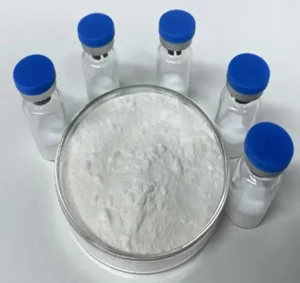
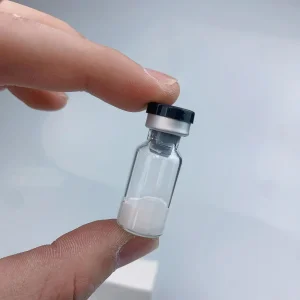
Discover our complementary line of synthesis precursors, hormonal reference standards, and bio-active molecules fabricated under validated laboratory control.
Connect directly with our synthesis engineering team and global logistics specialists for official batch COAs, pilot samples, bulk tiered volume discounts, and compliance dossiers.