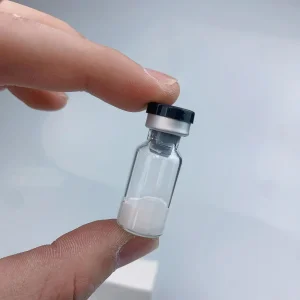
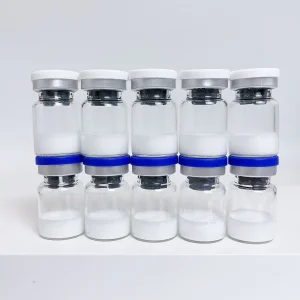
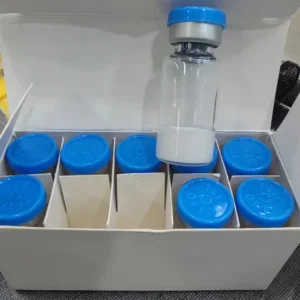
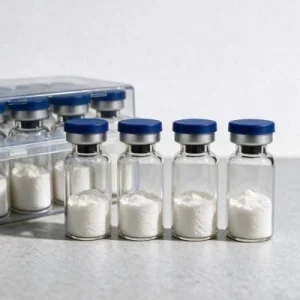
Verified laboratory reagents and industrial-scale precursors deployed across global life science research matrices.
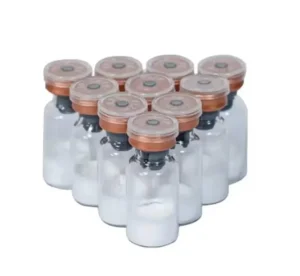
In-depth technical architecture of Diethyl (2-phenylacetyl)propanedioate, detailing its industrial role as an essential synthetic intermediate in organic chemistry.
CAS 20320-59-6, known systematically as Diethyl 2-(2-phenylacetyl)malonate, operates under the molecular formula C15H18O5 with a molecular weight of 278.30 g/mol. Characterized by active methylene groups sandwiched between dicarbonyl systems, it provides exceptional reactivity for complex cyclization protocols.
Its structural conformation delivers critical pathways for selective acylation and enolate chemistry, serving as a stable intermediate for heterocycle architecture in specialty downstream manufacturing.
Advanced chemical engineering facilities in China utilize condensation reactions between phenylacetyl chloride and diethyl malonate under controlled magnesium ethoxide catalysis. This path ensures high yield efficiency while minimizing polymeric side-chain reactions.
Post-reaction workup encompasses thin-film fractional vacuum distillation and cryogenic crystallization to secure high analytical purity (>98.5% assay via Gas Chromatography/HPLC validation).
Every industrial-scale delivery matches verified Certificates of Analysis (COA), equipped with full 1H-NMR spectra, GC-MS analysis, and moisture determination by Karl Fischer titration (<0.2%).
Trace metal impurity screening via ICP-MS guarantees adherence to strict chemical sourcing standards, protecting industrial pipelines from catalytic poisoning or process deviations.
| Analytical Parameter | Guaranteed Standard Specification | Testing Methodology | Operational Sourcing Significance |
|---|---|---|---|
| Chemical CAS Designation | 20320-59-6 | CAS Registry Index | Direct substance cross-indexing & international HS Code clearance |
| Assay / Chemical Purity | ≥ 98.5% (Area Normalization) | GC-FID / HPLC-UV | Eliminates competitive side-reactions in subsequent organic multi-step reactions |
| Appearance | Pale Yellow to Amber Viscous Liquid | Visual Inspection | Indicator of absence of thermal decomposition or improper oxidation |
| Boiling Point Profile | 120 - 122 °C (0.1 mmHg) / 362.3 °C at 760 mmHg | Differential Thermal Analysis | Determines precise flash heating conditions in automated vacuum reactors |
| Residual Solvents | ≤ 0.5% Cumulative Volatiles | Headspace Gas Chromatography | Critical for regulatory safety assessments and VOC compliance metrics |
| Water Content (Karl Fischer) | ≤ 0.20% | Coulometric Titration | Protects organometallic downstream catalysts sensitive to hydrolysis |
How China's modern chemical processing corridors combine vertical raw material integration with automated cyber-physical production lines.
Transitioning away from conventional batch kettle stirrers, high-end Chinese chemical corridors utilize continuous flow microreactors for the syntheses of active malonate derivatives. This structure drastically enhances thermal dissipation, reducing localized hot spots.
The result is unmatched batch-to-batch homogeneity, lower carbon emissions per synthesized unit, and intrinsic process safety that shields procurement lines from unexpected plant shutdowns.
China manufactures and refines basic feedstocks—including toluene, phosphorus halides, and basic esters—within contiguous coastal chemical clusters (Hebei, Shandong, and Jiangsu). This proximal upstream supply avoids international raw material shortages.
For international enterprise buyers, this guarantees stable price predictability and multi-ton supply availability even throughout macroeconomic disruptions.
Smart chemical zones operate under national dynamic environmental sensors. Closed-loop vapor recycling and zero-discharge volatile solvent containment ensure all CAS 20320-59-6 synthesis sequences conform strictly to eco-standard mandates.
Purchasing agents receive fully verifiable carbon and safety documentation alongside global REACH, RoHS, and GHS-compliant material data declarations.
Market intelligence addressing how corporate buyers navigate compliance, dual-use regulatory verification, and dynamic cross-border freight.
Procurement for CAS 20320-59-6 continues to grow across major fine-chemical distribution centers in Europe, North America, Southeast Asia, and the Middle East. Driven by advancements in heterocycle engineering and agrochemical patent expirations, contract synthesis laboratories increasingly rely on this versatile organic building block.
Procurement teams prioritize established direct-from-source manufacturers capable of offering consolidated shipments alongside comprehensive end-user declaration (EUD) verification to uphold transparent commercial custody.
Volatile international shipping conditions have led enterprise buyers to switch from just-in-time purchasing to strategic consignment buffers. Procuring in bulk (FCL container lots, ISO-tanks, or HDPE-sealed 200kg drums) mitigates spot-price variations and cushions against geopolitical shipping re-routings.
Direct supply contracts with Chinese facilities remove middleman broker margins, allowing purchasing directors to secure competitive annual cost terms with firm delivery schedules.
Exporting high-purity chemical intermediates requires meticulous harmonization between the material’s HS Code, packaging group classification, and corresponding UN packaging certifications.
Experienced Chinese export organizations provide standardized, compliant technical documentation dossiers: 16-section SDS formats (per UN GHS Rev.9), Non-Dangerous/Dangerous Goods declarations, and independent testing certifications ensuring rapid customs processing.
Examining real-world functional utility where Diethyl 2-(2-phenylacetyl)malonate serves as an indispensable reagent.
In modern synthetic medicinal chemistry, Diethyl 2-(2-phenylacetyl)malonate functions as a stable C3-C2-phenyl scaffold. Research institutes utilize its active beta-keto diester functional groups to perform Knoevenagel condensation reactions and multi-component Biginelli-type reactions.
These reactions form functionalized pyrimidine, pyridine, and quinolinone cores, accelerating candidate exploration across therapeutic discovery pipelines.
The agrochemical sector demands ultra-pure precursors to synthesize next-generation crop protection molecules, specifically novel keto-enol herbicides and systemic fungicides. Purity variations can inhibit catalytic rings, lowering overall production output.
Procuring CAS 20320-59-6 from refined sources guarantees stable ester exchange kinetics and clean transesterification without sulfur or heavy metal catalyst contamination.
Analytical reference laboratories and university organic synthesis departments order verified CAS 20320-59-6 standards to validate chromatography separation profiles and develop new catalytic enantioselective reaction methodologies.
Accessible batch retention specimens, high-resolution LC-MS traces, and verified thermal indices make it a trusted reference material across institutional scientific bodies.
Clear, direct answers to common questions from compliance managers, chemical engineers, and international sourcing professionals.
Industrial scale shipments are supplied in UN-certified 25kg fluorinated HDPE drums, 200kg epoxy-coated steel drums, or 1000kg composite IBC totes protected with inert nitrogen headspaces. Custom packaging is available for laboratory research orders.
Facilities utilize SCADA-connected DCS process loops controlling vacuum distillations within precise ±0.5°C tolerances. Every manufactured lot is sampled, analyzed via HPLC/GC against traceable primary standards, and cataloged with retained samples for 24 months.
Store in a tightly closed container protected from light in a cool, well-ventilated warehouse (recommended temperature: 2°C to 8°C or dry ambient conditions ≤20°C). Purging container headspace with high-purity nitrogen prevents slow air oxidation or ester hydrolysis.
Standard documentation dossiers include the Batch-Specific Certificate of Analysis (COA), 16-section Safety Data Sheet (SDS), Packing List, Commercial Invoice, Certificate of Origin (COO), and third-party analytical spectra (HPLC, NMR, GC-MS) on request.
Explore complementary biological peptides, analytical reference series, and fine chemical powders ready for verified global export.